Know your yes.Know your no.
Facilitating practices for individuals, couples, and friends who want relationships to feel easier.
Upcoming events
What gets easier
These are skills, not personality traits. You can practice them, and they get stronger.
Saying no
A clear no, without a three-paragraph explanation or a week of guilt afterward.
Asking for what you want
Saying it plainly, instead of hinting and hoping someone guesses.
Knowing what you want
Noticing your own preferences before you've already agreed to something else.
Hearing no
Taking someone else's no as information, not rejection.
Giving freely
Offering what you actually want to give, so generosity stops turning into resentment.
Receiving well
Letting yourself have something without owing anyone for it.
Session options
Come on your own, with one other person, or with a few friends. Every session starts with a conversation about what you want to work on.
In-person sessions in Knoxville
One-on-one
$150 / 90 minutes
Private practice with me as your partner. We slow everything down so you can notice your own yes and no, and practice saying them out loud.
Pairs
$200 / 90 minutes
For partners, friends, family, or any two people who want to understand each other better. You practice with each other while I guide, and leave with a shared language you can keep using.
Small groups
$300 / 2 hours, up to 6
Bring the people you already trust. You practice together while I facilitate. A good fit for close friends, roommates, or a small community.
Online sessions
Not in Knoxville, or prefer to work from home? Online sessions are essentially the same work as in person, just without touch. We focus on getting clear about what you want from your relationships and how to ask for it. Each package is four sessions, so we have time to work on something real and see it change.
$450 / four 60-minute video sessions
- Practices to work on between sessions
- Anywhere you have a good connection
Who this is for
If a few of these sound familiar, you're in the right place.

- You say yes, then quietly resent it.
- When someone asks what you want, you go blank.
- You explain your no until it stops sounding like a no.
- Asking for help feels like a burden you're putting on someone.
- You keep the peace, and lose track of yourself in the process.
- You give and give, and still feel unseen.
- You and someone you love keep having the same argument.
- You replay hard conversations for days afterward.
How it works
The work rests on three pillars. Each one is simple to say and takes practice to live. Open any of them to go deeper.
About me
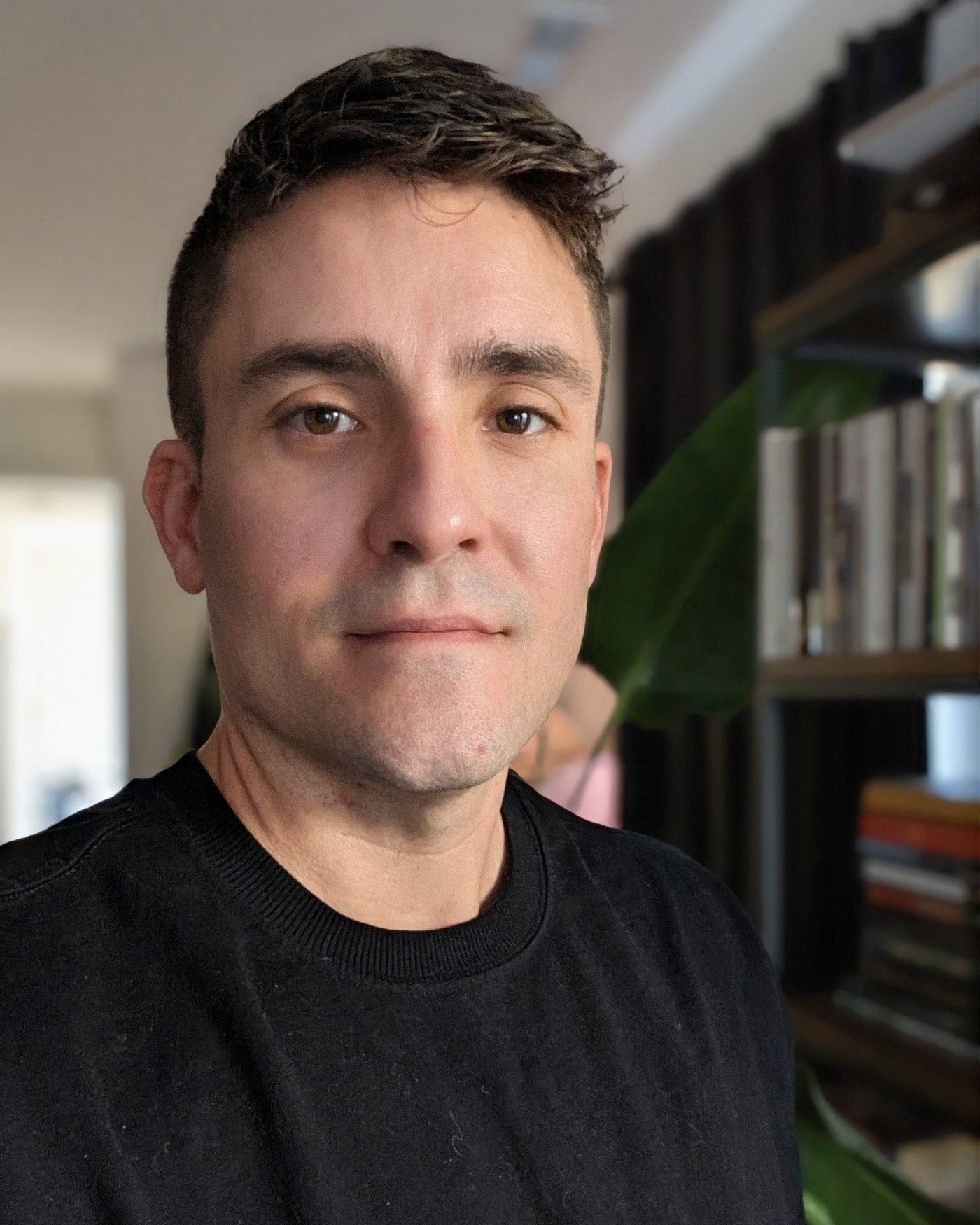
I'm Adam Nicholson, and I help folks navigate complex relational roadblocks to make life and love easier. I've spent almost ten years working in relationships, intimacy, and conflict.
Over that time I kept seeing the same thing: most people know what they want and they know what they don't want. But most of us are not taught how to communicate, honor, and hold our desires and limits.
And I've seen the pain, anger, and resentment that comes when we don't honor these truths.
What I bring with me
- The Wheel of Consent®. I've been working with the Wheel of Consent® for almost ten years. I practiced extensively with Dr. Betty Martin, Robyn Dalzen, and Helena DeFelice, and have co-taught it dozens of times with other teachers and in small groups. It runs through everything I do.
- Right Use of Power. I've studied and practiced with the Right Use of Power Institute for years, which teaches the ethical use of power with heart. It's how I understand the role power plays in our relationships and conflicts, and how to use it wisely, with care and accountability.
- Conflict resolution. I trained with the Lombard Mennonite Peace Center and have been largely influenced by the Process Work of Arnold and Amy Mindell.
- Embodied anti-racism. I practiced in depth with Resmaa Menakem and Carlin Quinn for many years and used those practices to build resiliency around the most challenging of issues.
- Meditation and Non-Dual Shaivite Philosophies. I've meditated for twenty years, and for the last six I've practiced intensively with Paul Muller-Ortega at Blue Throat Yoga, a school for deep meditation rooted in the classical meditation tradition of Kashmir.
These practices have changed my life more than anything else I've done. My relationships are more honest. My path is clearer. And day to day, I've found a lot more ease and joy. I'd love to help you find the same.
Questions
How do I know if this is right for me?
If a relationship feels harder than it should, this is a good place to start. Maybe there's a lot of love there and you still feel stuck. Maybe you want to step closer, or step back, and you're not sure how. Often it looks like a loop: not asking for what you want, saying yes when you mean no, and feeling resentment build. This work helps you find your real yes and your real no, so that loop can finally ease.
How is this different from therapy?
This is an experiential practice, not therapy, and I'm not a therapist. Rather than only talking or thinking about what you want, you practice it: asking, saying no, and noticing what happens in your body when you do. My role is to guide you through these practices with care.
Do I have to be touched?
Never. You never have to do any practice, and choosing not to is just as valid. Choosing matters more than doing. If you'd like to include touch, it's always simple, like hands and forearms, and always clearly agreed on first. Touch is a way to notice, in your body, what you want to receive and what you're willing to give.
Afterward we reflect: Was that what I wanted? Did I stay true to myself? What would make it better? There's almost always something, and noticing it keeps you growing instead of settling.
What happens in the first session?
We start by talking about agreements for working together and where you are right now. Then we begin simple embodiment practices and go slowly. Starting slow isn't a lesser version of the work. The gentlest practices are often the most revealing.
Is what I share kept private?
Yes. What you share stays between us.
What's your payment and cancellation policy?
Payment is due at least 48 hours before your session. To cancel or reschedule, please give at least 48 hours' notice. Changes with less notice forfeit the session fee.
When your yes means yes and your no means no, you stop managing everyone else's reactions. That's where the peace comes from.
This work replaces guessing with clear agreements. Conversations get shorter. Decisions get simpler. The people around you start to trust your yes, because they've heard your no.